



Paul Cristina, born in Cleveland, Ohio in 1983, creates art that stops you in your tracks. His work is raw, emotional, and hard to look away from—beautifully disturbing in the best way possible.

Cristina is completely self-taught. Instead of formal training, he built his style through years of studying books, music, film, photography, and people. That mix of influence shows up in every piece he creates. His work doesn’t follow trends or fit neatly into categories—it lives in its own world.
Using a blend of materials like ink, graphite, acrylic, and collage, Cristina creates textured, layered images that often feel torn, weathered, or even broken. Faces are blurred or hidden. Figures seem to fade in and out. It’s not about clean lines or perfection—it’s about emotion. His art captures the quiet, messy moments we all feel but rarely see.


There’s a haunting energy in Cristina’s work, but also a strange sense of calm. His pieces feel like memories you can’t quite place or dreams that leave you unsettled when you wake up. They’re full of tension, but they also make space for reflection.
Whether inspired by old photographs, music, or just the human experience, Cristina’s work speaks to something universal. It explores identity, trauma, memory, and what it means to be human—with all the cracks and beauty that come with it.



By staying outside the traditional art world, Cristina has carved out a space that’s completely his own. His work doesn’t shout—it lingers. And in a world full of noise, that quiet honesty is powerful.
Why Paul Cristina’s Work Lingers
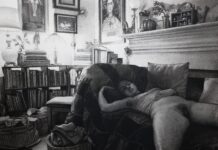
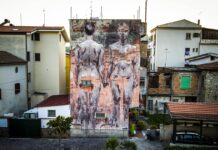
Overall, these pieces reward slow looking. First, the layered textures draw you in. Then, the fading faces make you stay. As a result, each image feels like a memory only half remembered. In addition, the muted palette keeps the mood quiet and intimate. Likewise, the torn surfaces suggest stories that remain unfinished. For another artist who plays with memory and erasure, see our feature on Borondo Street Art: Memory and Erasure, or browse more in our Painting category.
See more of Paul Cristina’s work at paulcristina.com